
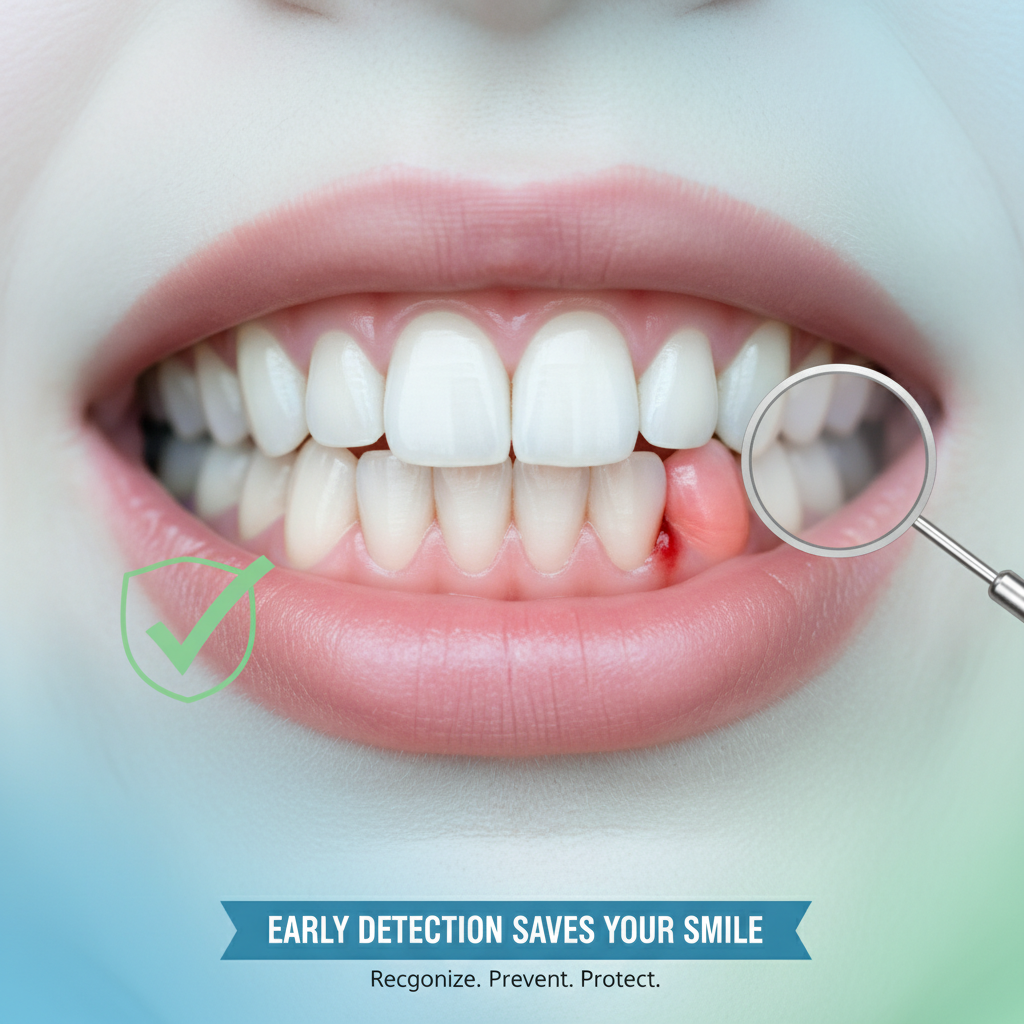
If you are wondering how to know if you have gum disease, you are not alone. Gum disease, also called periodontal disease, is very common and often quiet in the beginning. Nearly half of adults in the United States have some form of it, and early stages are often painless, which makes it easy to miss until real damage has already started [1].
The good news is that early gum disease, called gingivitis, is usually reversible with the right care. By learning the early signs, understanding what causes the problem, and knowing when to call a dentist, you can protect your gums, teeth, and overall health and often stop gum disease fast.
Gum disease begins with a sticky film of bacteria called plaque that collects around your teeth and gums. If plaque is not removed every day with brushing and flossing, it hardens into tartar, which you cannot remove at home and which irritates your gums [2].
Over time this irritation leads to an inflammatory process in your gums:
In gingivitis, your gums are inflamed but the bone that supports your teeth is still healthy. In periodontitis, infection and inflammation begin to affect the supporting bone and deeper tissues, which is why it becomes the leading cause of tooth loss [3].
Understanding where you are on this spectrum helps you know how urgent treatment is and what steps you need to take.
Gingivitis is the earliest and most treatable form of gum disease. It often causes very mild symptoms, or none at all, which is why it can be overlooked for a long time [4]. Paying attention to small changes can make a big difference.
Healthy gums are firm and pink. When you develop gingivitis, your gums often:
Swollen red gums are a clear sign that inflammation is present and that your body is reacting to plaque and bacteria along the gumline [5].
Gums that bleed with normal brushing or flossing are one of the earliest and most common warning signs of gum disease [6]. You might see:
Healthy gums should not bleed with routine cleaning. If you frequently see blood, you should treat it as a sign to review your technique, improve daily care, and schedule a dental exam. If you want more detail on this symptom, you can also read about bleeding gums when brushing causes.
Bad breath that does not go away even after brushing, flossing, and using mouthwash can signal gum disease. Bacteria around your teeth and below the gumline produce smelly gases that cause:
If someone close to you comments on your breath or you notice a persistent odor yourself, do not ignore it. This can be an early clue that bacteria and plaque are building up around your gums [7].
Early gum disease can make your gums feel sore, especially when you brush, floss, or chew. The soreness is usually mild, which is why many people dismiss it. However, ongoing tenderness in your gums is a sign to look more closely for other symptoms.
If gingivitis is not treated, it can progress into periodontitis. At this stage, the damage affects the deeper supporting structures around your teeth and the consequences are more serious and often permanent [2].
As gum disease advances, your gums can pull away from your teeth. You might notice:
Receding gums are a warning sign because they create pockets that trap plaque and bacteria and they expose the roots to decay, infection, and sensitivity [7]. If you are noticing gum recession, it can help to read more about what causes receding gums.
In periodontitis, the inflamed gums pull away from the tooth and form spaces called periodontal pockets. These pockets:
Over time, bacteria in these pockets damage the bone that holds your teeth in place [4]. Only a dental professional can properly measure pocket depth and clean these areas.
As bone and supporting tissues break down, your teeth may start to feel different. You might notice:
Loose teeth and shifting positions are signs of more advanced periodontal disease and should be evaluated as soon as possible [1].
Chewing discomfort can develop when gum disease is more advanced. Some people feel:
Pain does not always mean gum disease since issues like cavities, enamel wear, or infections can also cause similar symptoms. If you are wondering, “why do my teeth hurt like this,” resources like why do my teeth hurt randomly, symptoms of tooth infection, and tooth sensitivity causes and treatment can help you compare your symptoms, but an in person exam is still essential.
In more advanced cases, you might see:
These signs indicate more severe infection and inflammation and should be treated urgently to prevent tooth loss and spread of infection [1].
Anyone can develop gum disease, but certain factors make it more likely or more severe.
Smoking is one of the biggest risk factors for gum disease. Smokers are about twice as likely to develop gum disease as non smokers and tobacco also makes treatment less successful [8]. It can also reduce the obvious sign of bleeding gums by affecting blood flow, which means disease can progress quietly [9].
Irregular or rushed brushing and skipping flossing allow plaque to sit along the gumline. Over time, this leads directly to gingivitis and then periodontitis [2].
Plaque that is not removed every day hardens into tartar. Only professional cleaning can remove tartar, so once it forms you need a dental visit to get your gums healthy again [2].
Some life stages and medical conditions increase your risk:
If you fall into a higher risk group, regular dental exams and careful home care become even more important.
Crooked teeth that are hard to clean, teeth grinding, and aggressive brushing with a hard bristle brush can all make gum issues worse. Brushing too hard can also speed up gum recession and sensitivity, which then adds to discomfort and makes cleaning more difficult [9].
Because gum disease is often painless in the early stages, professional exams are the most reliable way to know how healthy your gums really are. During a checkup your dentist or hygienist will typically:
These clinical tests allow your dentist to identify gingivitis or periodontitis, determine how advanced it is, and recommend the right level of treatment [11]. If the disease is more severe, you may be referred to a periodontist, a specialist in gum and bone health [8].
Some symptoms mean you should schedule a dental visit as soon as you can:
Because early gum disease is reversible and later stages are not, getting checked promptly gives you the best chance to stop the process and protect your teeth [12].
If you are already noticing other issues like early decay or enamel wear, resources such as signs of cavities early stage, what is enamel erosion teeth, and early warning signs dental problems can help you understand how these conditions can overlap with gum disease.
You cannot reverse advanced periodontitis at home, but you can often stop or greatly improve early gingivitis by changing your daily routine. Consistency is more important than perfection.
Aim for:
Interdental brushes or water flossers can help if you have tight spaces, bridges, or difficulty with standard floss. Thorough cleaning between teeth is essential to interrupt plaque buildup and protect your gums [4].
Regular use of floss or interdental brushes removes the plaque that starts most gum disease. If your gums bleed at first, that is a sign of existing inflammation. Keep your technique gentle and consistent. Bleeding that improves over several days is common when gums start to heal. If it continues beyond one to two weeks, or worsens, schedule an exam [9].
If you smoke, quitting is one of the most powerful steps you can take to protect your gums. Smoke reduces blood flow and healing and makes treatments less effective [2]. Cutting down on sugary drinks and snacks also helps slow plaque formation and reduces your risk of both gum disease and decay. For additional natural protection, practices from how to prevent tooth decay naturally can support overall oral health while you address your gums.
Once plaque has hardened into tartar or deeper pockets have formed, professional care becomes essential. At the dental office, your team can use tools and techniques you simply do not have at home.
For gingivitis or mild periodontitis, your dentist or hygienist may recommend:
Only professional cleanings can remove tartar and deeply embedded plaque, which is why even excellent home care cannot fully reverse gum disease on its own once it has progressed [2].
If the disease is more advanced, you may need:
Your dentist will work with you to create a plan that fits your situation. Ongoing follow up is important because gum disease is a chronic condition that can flare up if plaque control slips.
Healthy gums do not have to be perfect, but they should be firm, pink, and free of regular bleeding or pain. Any ongoing change in the color, shape, or feel of your gums deserves attention.
Between professional cleanings, you play the key role in protecting your gums. A simple home check once a month can help you catch problems early:
Regular self checks make it easier for you to notice small changes and mention them at your next dental visit, or schedule earlier if something concerns you [6].
Knowing how to know if you have gum disease starts with paying attention to your gums every day. Watch for redness, swelling, and bleeding, and be aware of warning signs like bad breath, recession, and loose teeth. Remember that early gum disease is often painless, so absence of pain does not mean your gums are healthy [9].
By combining consistent home care with regular dental checkups, you give yourself the best chance to catch gum disease early and stop it fast. If you are seeing any of the symptoms described here, scheduling a professional evaluation is the safest next step. With prompt attention and a tailored plan, you can protect your gums, your smile, and your long term oral health.